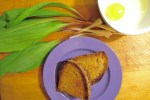
Fried Egg with Sautéed Ramps and Garlic-Rubbed Toast


Ramps. Just the thought of them at the Greenmarket makes me really excited. Ramps taste like the essence of spring given that they are the first greens to come up after a long winter of tubers and root vegetables.

I’m not the only one with ramp-mania either. Unfortunately, the dramatic rise in their popularity over the past few years has been raising concerns that foragers are over-harvesting to meet demand.

Ramps are notoriously difficult to cultivate. For the most part, they are a foraged food that is found and plucked in the wild. To ensure that the plant keeps growing requires foragers to leave their bulbs intact — problematic since most ramps are sold with their bulbs and roots attached.

So what do you do if you love them like I do? Should you stop eating them all together?

You don’t have to give up ramps as long as you stay committed to being a responsible consumer. If you forage for them, take no more than you can reasonably eat. If you can, just take the leaves and leave the bulbs in the ground. If you buy them, try to buy them from a farmer you trust. Talk to your farmer and make sure that their ramps are coming to you in a sensible and sustainable way. The Greenmarket NYC closely monitors and regulates foraged food to ensure that things like ramps will continue to be around in the future.

Celebrate their scarcity because that is what makes them special!

Once you get your hands on some sensibly-foraged ramps, this is a great way to prepare them for lunch or for a light supper. I hesitate to even call this a recipe since it is such a simple way to prepare them, but simple preparations are oftentimes the best way to showcase especially great ingredients.

Ingredients:

Thickly-sliced bread, as many pieces per person as you like

1 garlic clove

4 ramps per person, cleaned and bulbs split in half if they are on the large side

1 egg per person

Olive oil

Butter

Salt and black pepper

How to prepare:

1. Generously brush both sides of your bread with olive oil. Broil the pieces until they are golden brown. Rub a garlic clove on both sides of the bread, including the edges.

2. In a large skillet, heat some olive oil over medium heat. Add the ramps to the pan when the oil begins to shimmer. When the leaves have wilted and the bulbs have begun to turn translucent, shape the ramps into a circle and crack an egg into the center. Add a knob of butter to the pan. When the butter has melted, begin spooning the hot fat over the egg yolk as it cooks. When the whites have set, use a spatula to gently remove the egg and the ramps from the pan to a plate. Season the egg and ramps with salt and freshly ground black pepper.

Serve with the garlic-rubbed toast.

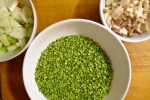
Split Pea Soup with Bacon Ends


A while ago, I was gifted a giant tub of bacon ends from a member of a different CSA. They languished in the back of my freezer until a deep spring clean last week.

Bacon ends are a terrific thing to have in the house — even if you’re like me and fall into the “out of sight, out of mind” camp. Just make sure that you have them somewhere you can see them at all times, a visual reminder that every dish is better with bacon.

Not only are bacon ends a good thing to always have on hand, but they are also much more economical than buying bacon strips. Chopped up and slowly browned, they make wonderful bacon bits. The rendered fat can be used in the place of oil or butter, or in anything that could be enhanced by some smoky porcine flavor.

And let’s be honest, what wouldn’t benefit from added porkiness?

People can sometimes be a little skeeved out by cooking with animal fat. However, so long as the pigs are pasture-raised by a farmer who follows organic practices, there should be no fear of needing Lipitor. Bacon fat from pasture-raised pork even has the added benefit of being a good source of vitamin D, making bacon fat certainly as good as butter!

I’m not saying that you should sit around the house and chow down on scoops of it, but a little bacon fat is much healthier for you than all those omnipresent, heavily-processed vegetable oils. My rule of thumb is that the more steps in processing it takes to get the food to your mouth, the less healthy it is for you. I would even go as far as to argue that it’s not even food at that point. This is why I always shake my head at people who buy low-fat foods because in order to make up for the taste and flavor deficit, those items are generally bulked up with tons of sugar — which might be worse for you than the fat.

Plus low-fat foods taste bad.

Anyway, no more ranting. Back to the soup!

Dried split peas scream for bacon! But if animals are not your thing, you can leave the bacon out and make the soup with smoked paprika instead.

Ingredients:

About 3 or 4 ounces of bacon or bacon ends, cut into small dice

1 small onion, chopped

1 large carrot, peeled and diced

2 stalks of celery, diced

1 pound (16 ounces) of dried split peas, picked over for small stones

2 bay leaves

4 cups of chicken or vegetable stock + 1 cup of water

Salt and pepper

Smoked paprika

Special equipment:

A hand-held immersion blender (optional)

How to prepare:

1. In a large Dutch oven, cook the bacon or bacon ends over medium heat with a little bit of olive oil until most of the fat has rendered. Reserve a few bits of bacon for garnish. Spoon off all but one tablespoon of bacon fat. Keep the bacon fat in a clean container in your freezer, and use it for other things like roasting potatoes, eggs, roasting chickens, anything really.

2. Add the vegetables to the pot. Let them cook until the vegetables have softened and the onion is translucent, about 5-7 minutes. Add the split peas and toss them with the vegetables until they are evenly coated with bacon fat. Add the bay leaves, the stock and the water. Bring everything up to boil, and then reduce the heat. Let the peas simmer until they are tender, about 45 minutes to an hour. Periodically skim the top of the soup of scum and grease. If the soup seems too thick, thin it out by adding more stock or water.

3. When the peas are tender, you can leave the soup alone if you like a chunky soup. I like to partially purée the soup so that it is creamier, but still has some interesting bits of vegetables and peas in it. This is super easy to do with an immersion blender. Just insert the stick blender into the soup and blend as much as you like. You can also transfer half of the soup to a regular blender or a food processor, then add the blended soup back to the unblended half. If you use a blender, keep your hand smacked tight onto the blender lid lest it go flying off, leaving your kitchen covered in pea soup spray. Adjust the seasoning for a final time, and thin the soup with stock or water again if it seems too thick.

Serve topped with a few of the reserved bacon bits, a dusting of smoked paprika and with some good, hearty bread.

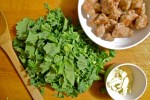
Orecchiette with Broccoli Rabe and Italian Sausage (Orecchiette con cime di rapa e salsiccia)


Have you ever had one of those weeks where you were amazed at how busy your schedule was, yet surprised at how little you seemed to get done?

That was last week for me and the blitz of activity left me little time to cook, let alone eat something good for me. Lunch was reduced to a handful of jalapeño-flavored potato chips and half a curried tofu sandwich. Dinner was an even more embarrassing affair consisting of leftover boiled potatoes drizzled with olive oil and followed by gelato straight out of its paper container.

I was starting to feel like a human garbage disposal, and was yearning for a real meal, meaning something satisfying that was also quick and easy to put together.

Orecchiette with Sausage and Broccoli Rabe fit the bill perfectly as simple, rustic Italian seems to be my go-to cuisine when my belly is rumbling and my eyes are blinkered from low blood sugar.

One of the emblematic pastas of Puglia, orecchiette are thus named because they are supposed to resemble little ears. I don’t know about that, since they only look like ears to me if we’re talking (nerd alert!!!!) Ferengi ears. I do know that they are delicious and are perfectly shaped to cup little bits and pieces of chopped vegetables. The bitterness of broccoli rabe always goes well with savory sausage, garlic and red chili pepper flakes. To make this dish vegetarian, simply omit the sausage. It is very tasty that way as well.

As this is a very simple dish, I have given you proportions for two, even though I ate the two for one.

Yep, that’s how I roll in Hungry Town 😉

Ingredients:

1/3 of a pound of orrechiette

1/2 pound of pork Italian sausage, casings removed

Olive oil

1/3 of a bunch of broccoli rabe, roughly chopped

3-4 cloves of garlic, thinly sliced

Red chili pepper flakes

Salt and pepper

How to prepare:

1. Bring a large pot of salted water to boil. Cook the pasta until it is al dente.

2. While the pasta is cooking, heat a little bit of olive oil in a heavy skillet over medium-high heat. When the oil begins to shimmer, pinch off one-inch pieces of sausage and brown them in a single layer in the pan. When the sausage pieces are browned on all sides and cooked through, remove them to a paper towel-lined plate or bowl.

3. Drain the pasta, reserving about a 1/4 to 1/3 of a cup of the pasta water. Wipe out the skillet and add about 2 tablespoons of olive oil to the pan. Set the pan over medium heat and sauté the garlic slices until they are fragrant, about a minute or two. Add as many chili pepper flakes as you like and continue to sauté for about 30 more seconds. Be careful that the chili pepper flakes don’t burn. Add the chopped broccoli rabe and a little bit of the pasta water (you can always add more water later if the dish starts to look a little dry) to the pan. Cook the rabe until it begins to wilt. Add the sausage and the pasta, along with another splash or two of pasta water if needed. Toss and let everything cook together for another minute or two. The pasta should begin to absorb some of the sauce. Adjust the seasoning if needed.

Serve in large warmed bowls with an additional drizzle of olive oil.

Breakfast Sausage, Spinach and Roasted Red Pepper Muffins


Lately, I have been trying to get myself to eat breakfast more often. I actually love breakfast, but I regretfully have rarely made time to have it.

Breakfast muffins are a great thing to make. They are so easy to pull together. They look beautiful, and a nice big basket of them is always a hit for brunch. You can also make a batch the night before and toss one or two (three for me) in the oven to warm the following morning while you make coffee.

These muffins are a great way to use the pork breakfast sausage that I get from my CSA, but in all honesty, the recipe is fairly versatile. You can make them meatless, with broccoli, or any other vegetable that you like. You can use Parmesan or Asiago instead of Cheddar.

The tricks are to not over mix your batter, and to make sure that your vegetables have as little moisture as possible so that your muffins don’t turn out to be soggy.

I have been playing around with different combinations of ingredients and like the mix of roasted red peppers and spinach. I think it’s because I like the idea of starting the day with lots of color!

Ingredients:

1 pound of bulk breakfast sausage

1 large red bell pepper

6 ounces of baby spinach

1 cup of cheddar cheese, shredded

1 cup of whole milk

2 eggs

2 cups of all-purpose flour

4 teaspoons of baking powder

1 teaspoon of salt

Special equipment:

A 12-cup muffin pan, preferably non-stick

How to prepare:

1. Preheat the oven to 400°.

2. If you have a gas range, set the red bell pepper directly on the gas burner with the heat on high. Turn the pepper periodically to make sure that the skin chars evenly.

If you have an electric range, rub the bell pepper with olive oil and place it on a cookie sheet set underneath the broiler. You can also rub the pepper with olive oil and pop it into a 450° oven. Remove it when the skin is blistered and blackened.

When your pepper is nice and charred, put it in a clean plastic grocery bag or a small paper bag and wait for it to cool. When it is cool enough to handle, you should be able to gently rub off all the charred skin from the pepper. Seed the pepper, and discard the seeds and the stem. Dice the pepper and spread the pieces out onto paper towels to absorb any excess moisture.

3. In a large skillet, brown the breakfast sausage over medium to medium-high heat, breaking up any large pieces with the side of your wooden spoon or spatula. Remove the browned sausage to a large mixing bowl with a slotted spoon, leaving as much of the drippings behind as possible.

4. Wipe out the skillet and wilt the spinach in it over medium heat with a little bit of olive oil and about a tablespoon of water. When the spinach has wilted, remove it to a colander to drain. When the spinach is cool enough to handle, gently press as much liquid out of the leaves as you can without squeezing them.

5. Roughly chop the spinach leaves and add them to the browned sausage meat along with 2/3 of the roasted red pepper (reserve 1/3 of the peppers to top the muffins), the cheese, the milk and the eggs. Gently stir all the ingredients together until everything is well-mixed.

6. Sift together the flour, the baking powder and the salt. Gently fold the flour mixture, a little bit at a time, into the other ingredients until the batter just comes together. Do not over mix.

7. Divide the mixture evenly among all the muffin cups. Top each with a few pieces of roasted red pepper. Bake the muffins for about 20-25 minutes. The tops should be browned and golden. Let them cool in the tin for a couple of minutes before removing them to a cooling rack.

Colcannon and Irish Bacon


I’m not really the kind of person to post Irish dishes simply because it’s Saint Patrick’s Day. In all honesty, this meal came about from searching for something to accompany the nice Irish bacon that I get from my CSA.

While idea hunting, I came across colcannon, and somewhere in the dusty outer reaches of my memory came the image of mashed potatoes and winter greens mushed together. Not quite sure where I had it first; it might have been at some random inn or, more likely, some Irish pub in Boston. In any case, it didn’t make that much of an impression on me at the time. Furthermore, I would have never considered making it if I hadn’t read this from The Country Cooking of Ireland by Colman Andrews:

“To serve [colcannon] in the traditional Irish manner, push the back of a large soup spoon down in the middle of each portion to make a crater, then put a large pat of room-temperature butter into each one to make a ‘lake.’ Diners dip each forkful of colcannon into the butter until its walls are breached.”

Holy. Crap.

If I had known that you were supposed to eat colcannon that way . . . well, let’s just say that it would have been dangerous. Dangerously delicious, I mean!

In his recipe, Andrews asks you to heat the milk together with chopped green onions, and then beat the hot infused milk into the mashed potatoes. I actually spaced out and tipped all my cold milk into the potatoes before I remembered that step. Regardless, it still tasted wonderful.

So if you think that a dipping “lake” of melted butter for your mashed potatoes and greens (which might as well be ornamental at this point) sounds as awesome as it does to me, than colcannon is definitely for you!

And once those “walls are breached,” Irish bacon tastes pretty darn good in the ensuing butter flood. Don’t forget the mustard!

Ingredients:

2 large Russet (or floury) potatoes, about 2 pounds, peeled and cut into large dice

1 cup of whole milk

6-8 tablespoons of butter at room temperature

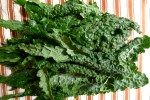
1 bunch of Lacinato kale, stemmed and cut into 1-inch pieces (you could also use curly leaf kale, savoy cabbage, or any other kind of leafy winter green)

Salt and freshly ground pepper

About a pound of Irish bacon

Coarse Dijon mustard

How to prepare:

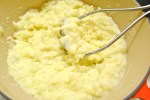
1. Place the diced potatoes in a large pot of salted water and bring everything to a boil. Reduce the heat and simmer the potatoes until they can be easily crushed against the side of the pot with the back of a wooden spoon. Drain the potatoes well. Add two tablespoons of butter and the cup of milk to the potatoes. Using a potato masher, mash the potatoes until all the potato pieces are crushed. If the mash doesn’t seem sufficiently nice and fluffy, add some more milk, a little bit at a time, until it has the right consistency. Cover the pot while you prepare the rest.

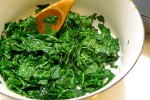
2. Melt about a tablespoon of butter in a large saucepan over medium heat. Add the cut kale and a little bit of water (about a tablespoon). Season the kale with salt and pepper. Sauté the kale until it begins to wilt. Tip the kale into the potatoes and stir everything together to combine. Adjust the seasoning.

3. Brown the Irish bacon slices on both sides in a large cast-iron skillet. Transfer the browned slices to paper towels to drain.

4. Mound a good amount of warm colcannon on each plate. Using the back of a spoon, make wells in the middle of each mound and put a hefty knob of butter in each one.

Serve your colcannon with a few slices of Irish bacon and grainy mustard on the side.

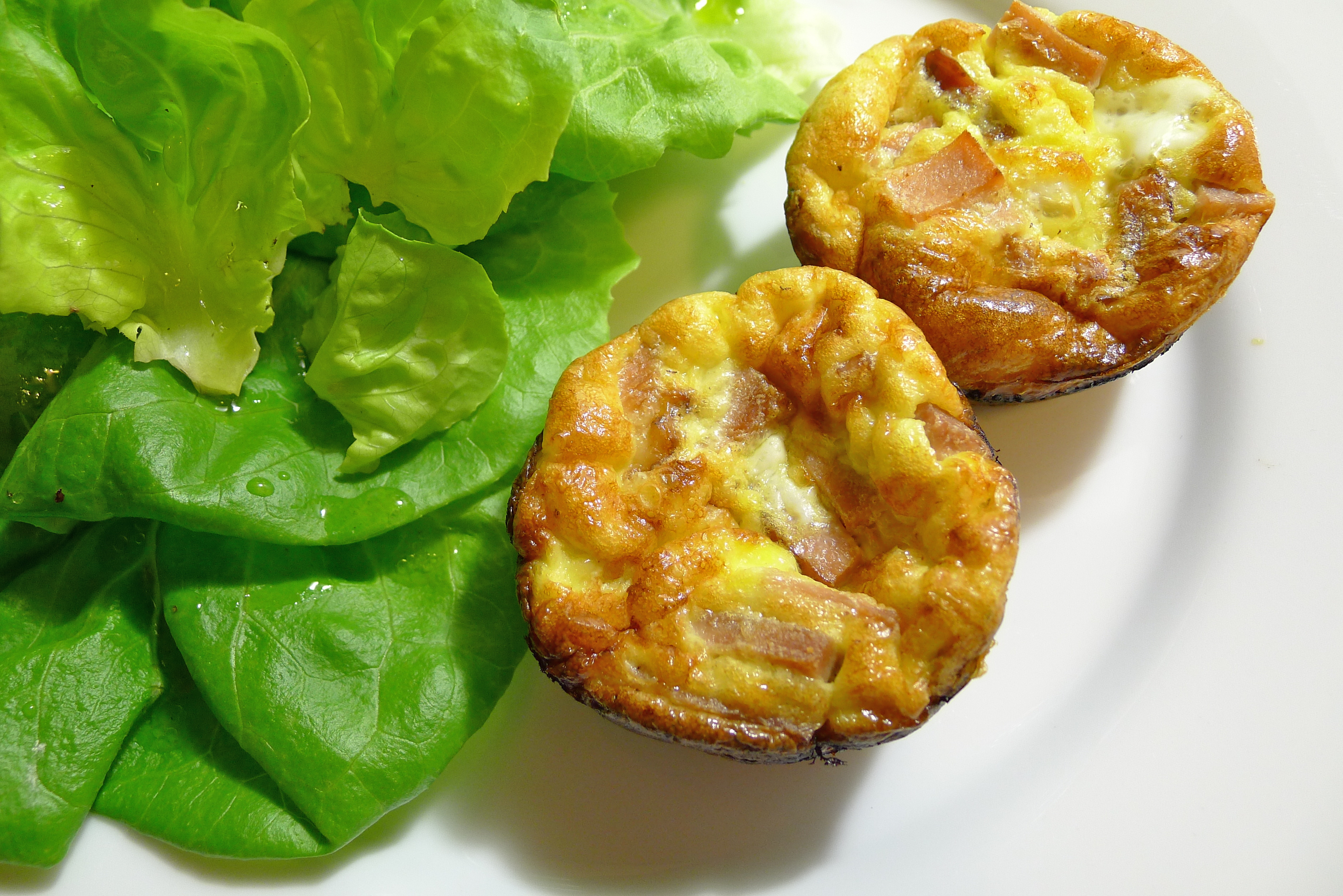
Crustless Mini-Quiches


I love quiche because I love the four basic components of classic quiche: pork, cheese, custard, and butter crust.

Quiche is one of those things that can be easily pulled together, but it can also be amazingly time-consuming and complicated. The last time that I made quiche, I decided on Thomas Keller’s Quiche Lorraine from the Bouchon Cookbook (a modified version of which appeared in Food and Wine).

The Bouchon quiche may rank up there as one of the most challenging things that I have ever cooked. First of all, at a super deep 2-inches, getting the center to set perfectly is not easy. Secondly, Keller’s recipe instructs you to aerate the egg mixture to the consistency of a sloshy, frothy broth before pouring it into your delicate parbaked crust in 2 stages. And you must do this without the quiche leaking at all.

Tricky. Very tricky.

And I have to admit that I wasn’t entirely successful.

What I am successful at is the standard quiche, perfected over years and years of repetition. Even though I can whip up a butter crust with my eyes shut, it always seems like a big affair because equipment always needs to be pulled out of tight spaces, and countertops need to be cleared to roll out the crust.

And let’s not even talk about the clean-up!

So what to do when you want to get your French on, but find yourself pressed for time, space and energy à l’américaine?

You make a crustless quiche, Silly 😉

Now before you scoff at a crustless quiche, let me just say that I love butter crust. As I might love butter crust even more than the average bear, I thought that I would really miss it in crustless quiches. However, I still thought these were wonderful.

Think of them less as quiches, and more like ham-custard poppers! Or quiche shooters!

The idea to use bread crumbs as a quick and easy base on which to build a crustless quiche comes from Gourmet Magazine. I changed the ratio of eggs to cream to milk so that the quiches would hold together a little better when you remove them from the muffin pan (the original recipe makes just one big quiche).

I used ham and Gruyère, but you can very easily use anything you like: cheddar, broccoli, mushrooms, feta, bacon. The possibilities are endless.

Special Equipment:

A 12-cup muffin pan, preferably non-stick (thanks, Laura! You’re never getting your pan back! Bwahahahaha!)

Ingredients:

1 cup of Panko breadcrumbs (or any other kind of plain breadcrumbs)

1 cup of ham, diced (you could also use a cup of chopped, cooked bacon)

1 cup of Gruyère, shredded

2/3 of a cup of whole milk

2/3 of a cup of heavy cream

4 large eggs

1/4 teaspoon of freshly grated nutmeg

Salt and white pepper

How to prepare:

1. Preheat the oven to 425°.

2. If you don’t have a non-stick muffin pan, be sure to butter each individual cup well. Cover the bottom of each muffin cup with a layer of bread crumbs.

3. Evenly divide the shredded cheese among all the muffin cups.

4. Do the same with the ham or bacon.

5. In a large bowl, whisk together the milk, the cream, the eggs, the nutmeg, and salt and white pepper to taste. Carefully pour the mixture into each muffin cup (this is easier with a spouted bowl or measuring cup). Leave about a 1/4-inch between the top of the egg mixture and the rim of each cup.

6. Bake the quiches until they are set and the tops are golden, about 20 minutes. They will be puffy like a soufflé when you remove them from the oven. Let them settle and cool slightly before removing them from the pan and serving with a nice green salad.

Cuban-Style Minute Steaks with Black Beans and Rice


“Hey, T! What do you do with your minute steak?”

“I don’t know,” Tomoko texted back, “It’s hard because of how it’s sliced. What do you do with it?”

“Steak sandwiches usually, but I was kind of looking for something different this time …”

Indeed.

The minute steak that we get in our CSA has always presented a bit of a challenge for me. Minute steak, as I have learned, is not cube steak. Well, not always. It’s pretty confusing, actually, when you start searching for minute steak cooking ideas.

Most sources that I have seen say that minute steak and cube steak are basically the same thing. However, there seem to exist regional distinctions: in some parts of the country minute steak and cube steak refer to the same cut, whereas in other parts of the country, they are quite different from one another.

From what I can gather, cube steak is a cut of top round or top sirloin that has been run through an electric cube steak machine. The “cubing” refers to the kind of cross-hatched pattern that appears on the surface after the meat has been tenderized. It literally looks like it is made up of little cubes. Minute steak, on the other hand, is very thin slices of steak that are stacked, formed and shaped into a steak shape. Minute steaks, like cube steaks, cook very quickly — hence the name and the confusion.

One of the best things about having a meat CSA is learning how to cook different cuts that I would have never tried on my own. Minute steak is one of these. You could probably just throw it in a pan and be done with it, but I have found that figuring out the right cooking method with the right cut of meat can turn a perfectly good meal into something downright spectacular.

Bistec de palomilla with Cuban black beans and white rice is one of those meals that is so simple that hardly anyone bothers, as Tomoko would say, to write it down. People do write it down, of course. On the web, you can easily find many recipes for it, including this one from the New York Times that I used as the base for the one below.

In all honesty, I could have chosen any recipe for bistec de palomilla since they are all almost identical. Sure, I was tempted to put my own wacky spin on it, but sometimes good things are so good that you just have to leave them alone.

The essentials are that you marinate thin cuts of beef in garlic and lime juice (it doesn’t necessarily have to be minute steak or cube steaks, just thin steaks), you cook rice with lime juice and garlic, you cook the beans with lime juice, garlic and onions, and finally you sear the beef and top it with sautéed onions.

But just because it is simple doesn’t mean it that doesn’t taste divine.

So if you like lots of limes and lots of garlic, this recipe is for you!

* If you love limes and garlic but not the meat so much, the black beans and rice are easy to make and absolutely fabulous on their own. I used canned beans here because that is what I had in the pantry, but if you prefer dried beans (and who doesn’t), by all means soak ’em and cook ’em!

Ingredients:

For the steak:

1 to 1 1/2 pounds of minute steak (or any other kind of thinly-sliced steak)

The juice of 3 limes

4 cloves of garlic, finely minced

Salt and pepper

1 medium onion, sliced

2 tablespoons of olive oil

For the rice:

2 cups of white rice

3 cups of water or chicken stock

The juice of 1 lime

2 cloves of garlic, finely minced

1 tablespoon of olive oil

Salt

For the beans:

1 small onion, chopped

3-4 cloves of garlic, finely minced

Olive oil

2 cans of black beans

The juice of 1 lime

Salt

Fresh cilantro

How to prepare:

1. Lightly sprinkle the steaks with salt and pepper (because the limes are so punchy, you can reduce the salt without sacrificing flavor). In a large zip-loc bag, combine the lime juice, the garlic and the meat. Toss everything together in the bag until the steaks are evenly coated with the garlic and the lime juice. Let the steaks marinate for about 45 minutes, but do not marinate them for more than an hour.

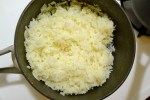
2. While the steaks are marinating, make the rice and the beans. In a medium-sized saucepan, bring the rice (you don’t need to rinse it), the 3 cups of water or chicken stock, the lime juice, the garlic and the olive oil to a boil over medium-high heat. Turn the heat down to low. Simmer the rice until it is tender and all the water has been absorbed — about 15-20 minutes. Remove the rice from the heat and fluff it with a fork. Cover it while you prepare the rest of the meal.

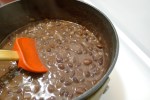
3. In another medium-sized saucepan, heat some olive oil over medium-high heat until it begins to shimmer. Sauté the chopped onion in the olive oil until it begins to turn translucent — about 5 to 6 minutes. If the onions seem to be cooking too quickly, lower the heat to medium. Add the finely minced garlic. Continue to sauté everything together for about another minute or so. Add the beans (you don’t need to drain them) and the lime juice. Stir everything together and simmer the beans over medium/medium-low heat until the cooking liquid has thickened. The beans should be tender at this point. Adjust the seasoning.

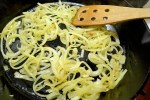
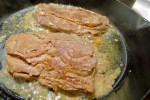
4. Heat 2 tablespoons of olive oil in a large cast-iron skillet set over medium-high heat. When the oil begins to shimmer, add the sliced onion. Sauté the onion until it just begins to turn translucent and take on a little bit of color. Remove the onions to a separate bowl or plate. Lift the steaks out of the marinade and add them to the skillet. Cook them for about 2 minutes per side (they will cook even more quickly if the steaks are really thin). Remove the steaks to a large plate or platter. Add the sautéed sliced onions back to the pan to let them soak up all those nice, meaty, lime-scented juices. Heap the onions on top of the steaks. Top everything with sprigs of fresh cilantro.

Serve the steaks with heaping scoop of white rice and another of black beans.

The Daring Kitchen February Cooks’ Challenge: Patties


Last month, when I opened up the Daring Kitchen‘s Chefs’ Challenge for February, I remember thinking, “Oh. Patties.”

As you can surmise, my initial enthusiasm was less than palpable.

It was a long PDF too, delving somewhat into the history of the patty:

“Irish chef Patrick ‘Patty’ Seedhouse is said to have come up with the original concept and term as we know it today with his first production of burgers utilizing steamed meat pattys – the pattys were ‘packed and patted down,’ and called pattys for short, in order to shape a flattened disc that would enflame with juices once steamed.”

And offering a somewhat of a basic definition:

“Technically patties are flattened discs of ingredients held together by (added) binders (usually eggs, flour or breadcrumbs) usually coated in breadcrumbs (or flour) then fried (and sometime baked).”

I would hesitate to say that anyone “invented” the patty. Flattened discs of pan-fried food seem to be commonly found everywhere, and I imagine that the technique goes as far back to when humans started smushing things together to eat. Maybe it didn’t get codified until much later, but I’m not sure that really matters much as this is the case for a lot of foods.

What kept my attention was that the hosts of this month’s challenge, Lisa and Audax, went into great detail about the technical aspects of patties, providing a kind of matrix for making them:

Main ingredient(s): some kind of ground protein (meat, poultry, seafood, beans or nuts) and/or vegetables.

Binders: eggs, flour, breadcrumbs (fresh or packaged), bran, tofu, mashed potatoes or any kind of mashed vegetable or legume.

Moisteners: water, milk, sour cream, mayonnaise, sauces, mustard, chopped spinach, shredded carrots or zucchini, shredded apples, anything that would add extra moisture if needed.

Technique: shallow pan-frying or baking.

Frying fat: butter, rice bran oil, canola, olive oil, ghee, or any other kind of oil with a relatively high smoking point.

Can you believe that I am such a food nerd that it was actually the 3.5 single-spaced pages of technical patty construction talk that sold me on the idea?

And as tempting (and easy) it would have been to have come up with a recipe on my own — ideas that I had? shrimp, chili pepper, and cilantro patties with some kind of scotch bonnet relish, or something Cantonese-ish like shrimp, corn, and egg whites — the fact is that I have been so overwhelmed with work and school lately that I haven’t had much time to devote to fun things like cooking challenges.

So, dear Readers, please do forgive my inability to milk any extra creative juice out of my brain right now!

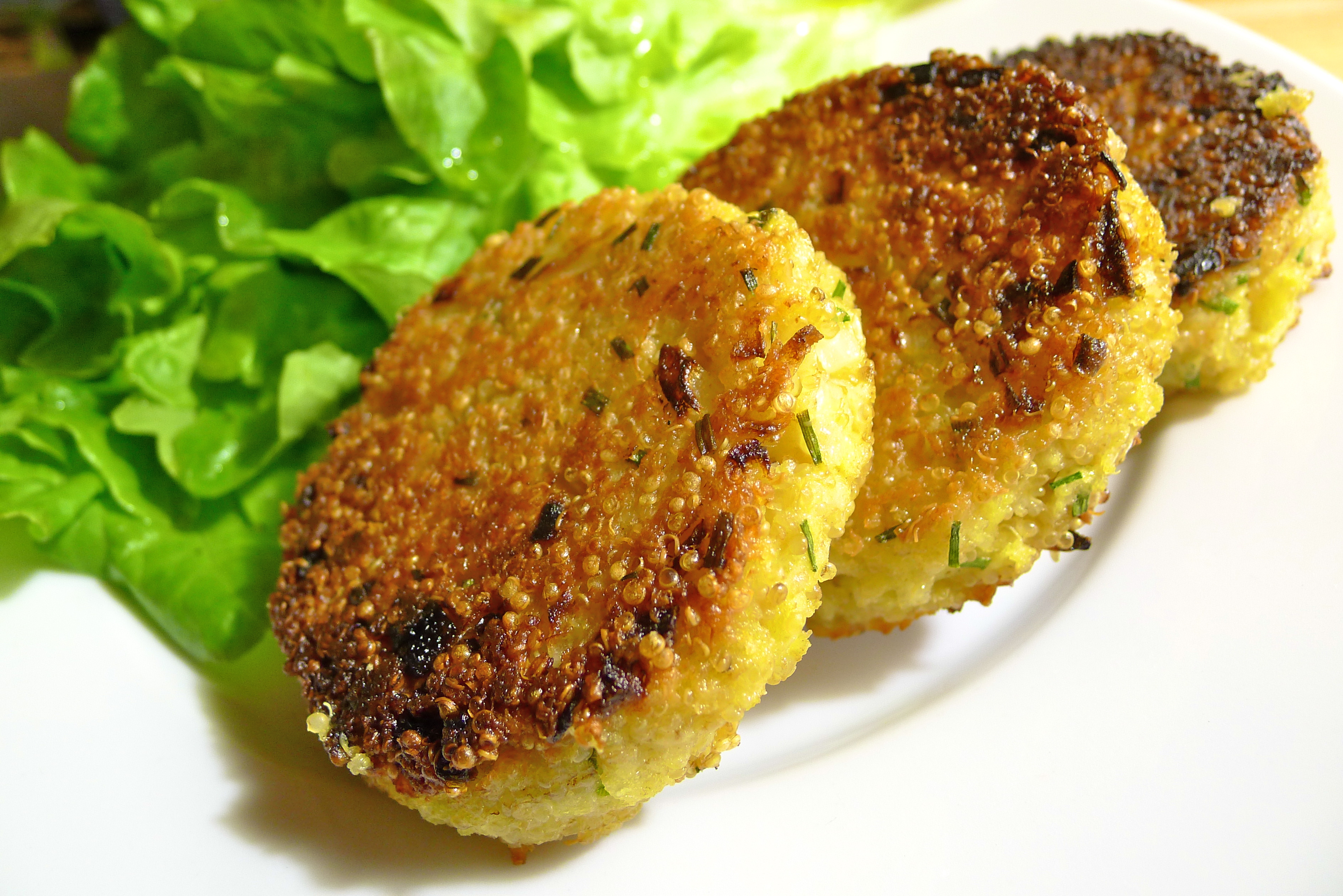
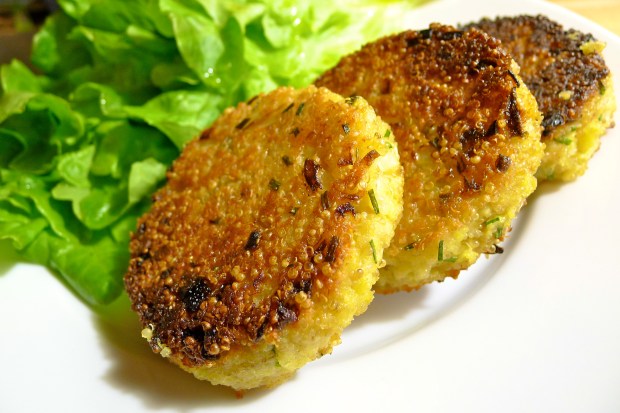
These wonderful little quinoa patties are from Heidi Swanson‘s Super Natural Everyday cookbook. They are great for lunch or a light supper. I only made half of the recipe because I just had a cup and a half of leftover quinoa, but you should certainly make the full recipe by doubling the amounts that I list below. The patties keep exceptionally well, and reheat easily in the oven.

One thing I learned from the challenge? My strong suspicion that my stove sits on uneven flooring is once and for all confirmed: all the oil slid to one side of the cast-iron pan while cooking, resulting in patties that were darker on one side than the other.

As soon as I get the time, I’m going to get in there and stick some little wooden wedges under the stove to even it out.

Thank you again Lis and Audax for the technical exercise and great challenge.

And isn’t Audax just the best name ever?

Mandatory blog-checking lines: 

The Daring Cooks’ February 2012 challenge was hosted by Audax & Lis and they chose to present Patties for their ease of construction, ingredients and deliciousness! We were given several recipes, and learned the different types of binders and cooking methods to produce our own tasty patties!

Ingredients for Heidi Swanson’s Little Quinoa Patties:

1 1/2 cups of cooked quinoa (you might also use leftover cooked bulgur wheat, millet, rice, or lentils)

2 eggs

Salt

2 tablespoons of chives, chopped

1 small onion, finely chopped

3 tablespoons of freshly grated Parmesan

1 fat garlic clove, very finely chopped

About 1/2 cup of Panko breadcrumbs, plus more if needed

1-2 tablespoons of olive oil or clarified butter

Special equipment:

A 3-inch ring mold

A cast-iron skillet

A lid to fit the skillet

How to prepare:

1. In a large bowl, combine the quinoa and the eggs together with a good pinch of salt. Add the chives, the onion, the Parmesan, and the garlic. Stir in the Panko, and let the mixture sit for a few minutes so that the breadcrumbs can absorb some of the moisture.

2. After a few minutes, you should be able to easily shape the mixture. If it seems a little wet, you can add more Panko to firm up the mixture. Conversely, if you find the mixture too dry, you can add a little water to loosen it up.

Swanson recommends erring on the moist side so that the patties won’t be overly dry — which is what I would recommend as well. As I left the quinoa mixture on the moist side, I found that it was easier to use a ring mold to make the patties instead of using my hands to shape them.

Set a ring mold on a plate and fill it with about three heaping spoonfuls of the quinoa mixture. Spread the mixture out evenly in the mold. Lightly compress each one by pressing on the top of the patty with the bottom of a spoon. Carefully remove the mold. Continue until you have used up all of the quinoa mixture. You should have about 6-7 patties total (or about 12 if you make the full recipe).

3. Heat the olive oil in a large cast-iron skillet over medium-low heat until it begins to shimmer slightly. Using a thin, flexible spatula, carefully transfer the patties to the skillet. You should be able to fit in all six with a little room in-between each one. Cover the skillet and let the patties cook for about 7-10 minutes. The bottoms should be deeply browned, but not burnt. Carefully flip the patties and cook them on the other side for about 7 more minutes. When both side are evenly colored, transfer the patties to a paper towel-lined plate.

Serve warm with a nice green salad.

Peanut Butter and Milk Chocolate Chip Rice Krispies Treats


Last weekend I went to a Super Bowl party where my friend Dave was in charge of the kitchen. He had put together a menu featuring these great burgers: loosely packed patties covered with carmelized onions and loads of béarnaise sauce. Isn’t that a great idea? As we were chatting in the kitchen, Dave mentioned that this vision of béarnaise + burgers had been incubating in his mind for years before he set out to make it a reality.

Sometimes that happens. Sometimes you hold onto a sprout of an idea for a long time, waiting for the right time to make it happen. Other times, inspiration strikes in speedier ways.

When snack stadiums were popping up all over the Internet, I remember seeing a particularly unholy one in which the stadium was constructed of alternating ham hoagies and Rice Krispies treats. It was kind of disgusting, but it definitely made me think about bringing marshmallowy treats to the Super Bowl party (one should never come empty handed).

I have been nursing a jones for peanut butter for a couple weeks now, as well as a chocolate craving. So, I thought, why not a peanut buttery, chocolatey Rice Krispies treat? Like one of those Reese’s Crispy Crunchy Bars, but with much better chocolate and peanut butter.

I love the combo of salt, fat, and sugar, and you will too if you don’t already. This is going to taste like childhood, so don’t knock the milk chocolate. I used a good one, and so should you.

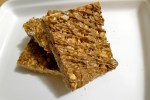
As you can see, the chocolate was so good that I went a little over-bonks on the drizzle.

Ingredients:

6 cups of plain Rice Krispies

1 1/2 cups of salted whole peanuts

1 1/2 cups of milk chocolate chips + 1 cup (2 1/2 cups of chocolate chips total)

4 tablespoons of unsalted butter

1/2 cup of creamy peanut butter

4 cups of mini marshmallows (about 10 ounces)

How to prepare:

1. Lightly butter a large dish.

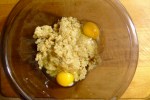
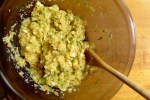
2. Combine the Rice Krispies, the peanuts, and 1 1/2 cups of the chocolate chips in a large mixing bowl.

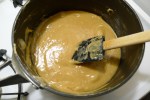
3. Melt together the butter, the peanut butter, and the marshmallows over medium-low heat in a medium-sized saucepan. When the mixture is creamy, pour it into the dry ingredients. Using a large wooden spoon, quickly stir everything together until the dry ingredients are evenly coated with the marshmallow mixture.

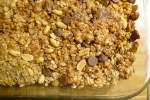
4. Tip everything into the buttered dish. Using your hands (moisten them a little with water so that they don’t stick), gently press the mixture into the dish, making an even layer.

5. In a small saucepan over very low heat, melt the remaining cup of chocolate chips. Be sure to stir them constantly so that the chocolate doesn’t separate or burn. When it has melted, remove it from the heat. Using a spatula, scoop a little bit of chocolate out of the pot and flick it quickly across the Rice Krispies treats. Continue to do this until the entire surface is evenly drizzled.

6. Let everything cool. When the chocolate has hardened, use a sharp knife to cut squares of Rice Krispies treats.

Anthony Bourdain’s Mushroom Soup from the Les Halles Cookbook


I am always puzzled when I see bloggers declaim against those who try out and post recipes from other sources. It just feels kind of snobbish to me. Most, if not all food people read recipes. Food people tend to read a lot of recipes. Food people tend to own a lot of cookbooks too. A lot of food people also watch a lot of food TV.

This is not uncommon, and it strikes me as strangely inauthentic when people deny it. Furthermore, what’s so bad about it? Trying recipes from other people is a good way to learn different cooking techniques. Blogging about your experience lets others learn from you, just like you learned from them. Don’t you like the feeling that you are joining and contributing to the larger conversation? I do.

Also, there are a lot of recipes out there. What’s wrong with bringing some of those to the attention of another audience? I mean, don’t go out and plagiarize. Don’t pass off recipes that are not yours as your own. But why look down on people who properly attribute and discuss their results?

We all blog and write because we generally want to share our knowledge and experience. I personally would be thrilled if someone made and wrote about something that I posted so long as they did it respectfully — and I think that most bloggers would be pretty darn chuffed too.

Yeah, I know. I just used a British-ism.

More importantly, if you are trying your hand at writing recipes, looking at other sources is a great way to learn how to order ingredients and write directions in a way that is clear, concise, and consistent. Recipe writing is like any other kind of writing: you get better the more you do it, and the more you read.

To those who think that their recipes are completely original, well, please excuse my bluntness, but hardly any recipes are really original nowadays unless you are some molecular gastronomist making perfectly good food into weird foamy, jellied things.

Furthermore, no one I know who cooks ever sticks to any recipe as published anyway. I’ll confess: most of the time, I don’t. I’ll breezily skim the ingredients list, and cockily cook them in the order and manner that I feel works best, passing on anything that sounds untasty to me, and adding anything that I feel was an egregious omission.

How’s that for food snobbery?

For example, I remember the first time that I read this recipe from the Les Halles Cookbook. I remember poo-pooing Anthony Bourdain‘s admonition to blend carefully. I cavalierly shrugged off his archly written, “Do I have to remind you to do this in stages, with the blender’s lid firmly held down, and with the weight of your body keeping that thing from flying off and allowing boiling hot mushroom purée to erupt all over your kitchen?

Pshaw, I remember thinking. Not quite hogwash, but I had blended tons of thick soups, all at once without incident. I certainly wasn’t going to alter my MO now.

Then I remember the blender’s lid flying off — just like TV Tony said it would — and the kitchen being sprayed with hot soup and spongy bits of mushroom.

I remember having to google, “martha stewart how to clean hot mushroom soup off the ceiling.”

After cleaning everything up, I made a mental note to always read recipes straight through before cooking, and always respect any warnings the recipe writer may give.

I learned the messy way that recipe writers do not write warnings for their benefit, but ours. If Bourdain was making a point to tell me to keep a tight lock on the blender, it’s because he very likely sprayed his kitchen with mushroom soup too, cursing the other cookbook writer who failed to mention in their recipe to keep a hold on the blender lid while blending.

If you love mushrooms, this soup is not only super easy, but very, very delicious. The original recipe calls for onions, but I always prefer the ultimate combo of butter, shallots, and booze — which is one of the ways I adapted his recipe. Be sure to use a good sherry, not a cooking sherry for the soup. If you have time, you can roast a couple shitake mushrooms in the oven for garnish. I accidentally left mine in the oven for too long, ending up with mushroom chips that taste (amazingly) just like bacon. No complaints here!

I also use an immersion blender now, so no more flying blender lids for me!

Ingredients:

4 tablespoons of butter

2 shallots, thinly sliced

14-15 ounces of mixed mushrooms (you can even use all white button mushrooms if you want), cleaned, trimmed, and sliced

4 cups of chicken stock

2-3 sprigs of thyme

2 ounces of good quality sherry (I used a dry oloroso)

Special equipment:

A hand-held immersion blender

How to prepare:

1. In a large Dutch oven, melt two tablespoons of the butter with a little bit of olive oil over medium heat. Add the shallots and thyme. Keep track of how many sprigs of thyme you add so you know how many stems you need to remove before puréeing the soup. Sauté the shallots until they begin to turn translucent.

2. Add the mushrooms and the remaining 2 tablespoons of butter. Let the mixture sweat for about 6-8 minutes. The mushrooms should begin to give up most of their liquid at this point. Be careful to not let the shallots brown. Season with salt and pepper. Add the stock, and bring everything up to a boil. Reduce the temperature, and simmer the soup covered for about an hour.

3. After an hour, remove the stems of the thyme sprigs. Using an immersion blender, carefully purée the soup. Adjust the seasoning. Bring the soup back up to a simmer and mix in the sherry. You want to just simmer the soup long enough enough to cook off the alcohol in the sherry. Serve immediately with some good bread.